
Diversification Strategies for Forex Managed Accounts: Beyond Currency Pairs
The Uncomfortable Truth About Forex Diversification: Why Most Managed Accounts Still Blow Up
The email arrives on a Tuesday morning. A client has just discovered that their “diversified” forex managed account lost 40% in three weeks. The manager was supposedly spreading risk across eight currency pairs. Eight pairs. Supposedly uncorrelated. Supposedly safe.
This happens more often than the industry admits.
The problem isn’t diversification itself. The problem is that most people implementing forex diversification strategies don’t actually understand what they’re diversifying against. They’ve memorized the concept. They haven’t internalized the reality.
When the Swiss National Bank abandoned its currency peg in January 2015, accounts that held what looked like perfectly diversified portfolios—EUR/USD, GBP/USD, EUR/CHF, AUD/USD—collapsed simultaneously. The correlation matrix that looked reasonable on a spreadsheet became meaningless in real time. Diversification, it turned out, was an illusion maintained by calm markets.
This is where most traders fail. They confuse mathematical diversification with actual risk reduction.
The Correlation Trap: Why Your Diversification Might Be Fiction
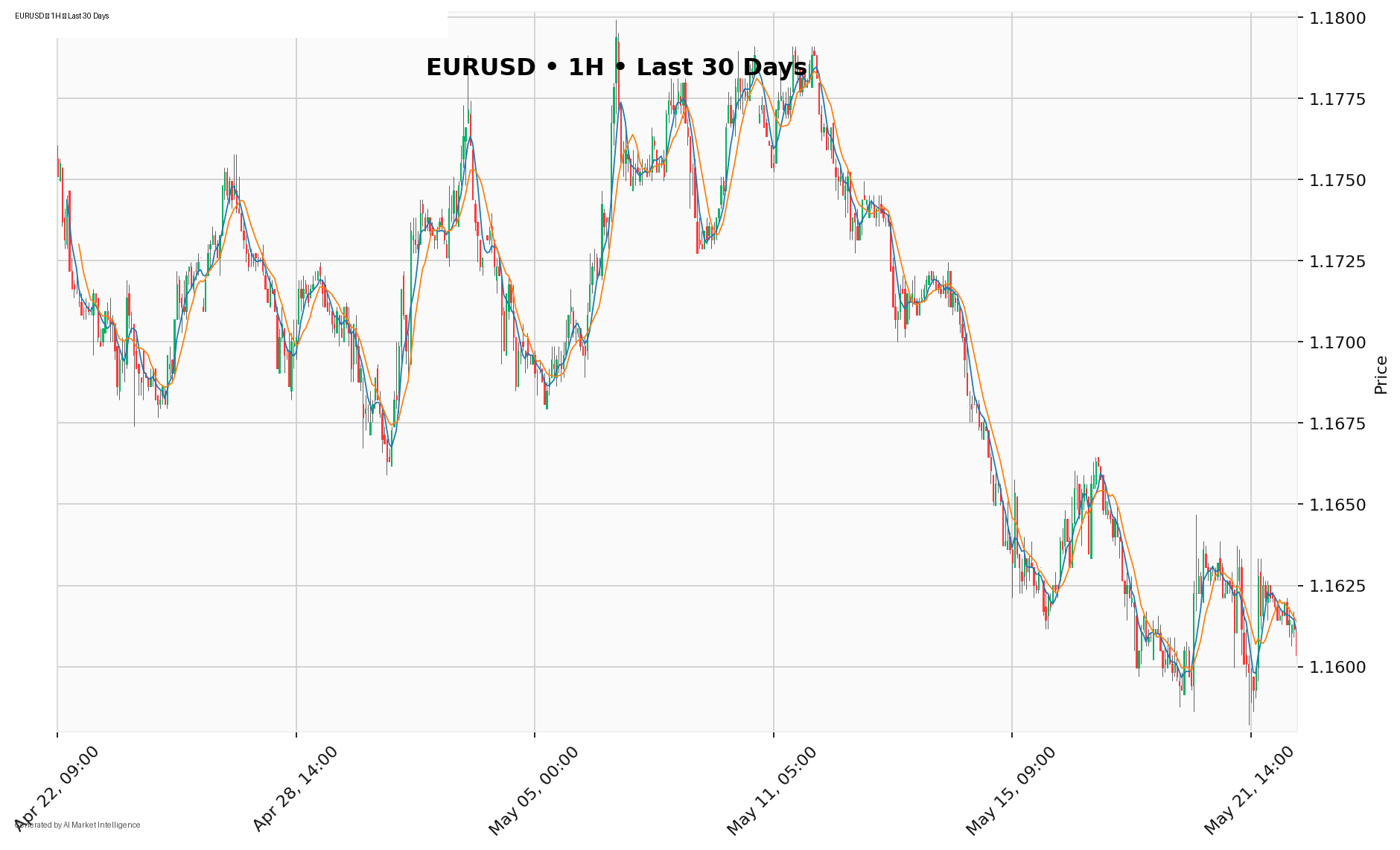
EUR/USD 1-hour chart showing correlation breakdown during market stress, January 2015 Swiss National Bank event.
Here’s something the textbooks won’t tell you with appropriate skepticism: correlation changes when you need it most.
During normal market conditions, EUR/USD and GBP/USD might show a correlation of 0.65. Reasonable. Diversified. Then a geopolitical shock hits. Both pairs move in the same direction, same magnitude, same speed. Suddenly the correlation is 0.95. Your diversification has evaporated.
The institutional traders understand this viscerally. They’ve lived through enough market dislocations to know that correlation is a fair-weather friend. It exists during periods of stability and vanishes the moment stability matters.
Most managed account managers build their diversification thesis during bull markets or periods of low volatility. They backtest across five years of relatively calm data. The numbers look beautiful. Then they encounter a market regime they haven’t experienced, and the entire structure collapses.
The real issue: correlation is backward-looking. You’re always driving by looking in the rearview mirror.
Consider what happened during the COVID crash in March 2020. Every currency pair that anyone thought was “safe” moved violently in the same direction. Carry trades unwound. Risk-off sentiment dominated. The diversification that existed on January 15th was completely irrelevant by March 16th.
This is the uncomfortable truth that separates traders who survive from those who don’t: diversification works until it doesn’t, and you never know when the switch flips.
Multi-Currency Exposure: The Illusion of Breadth
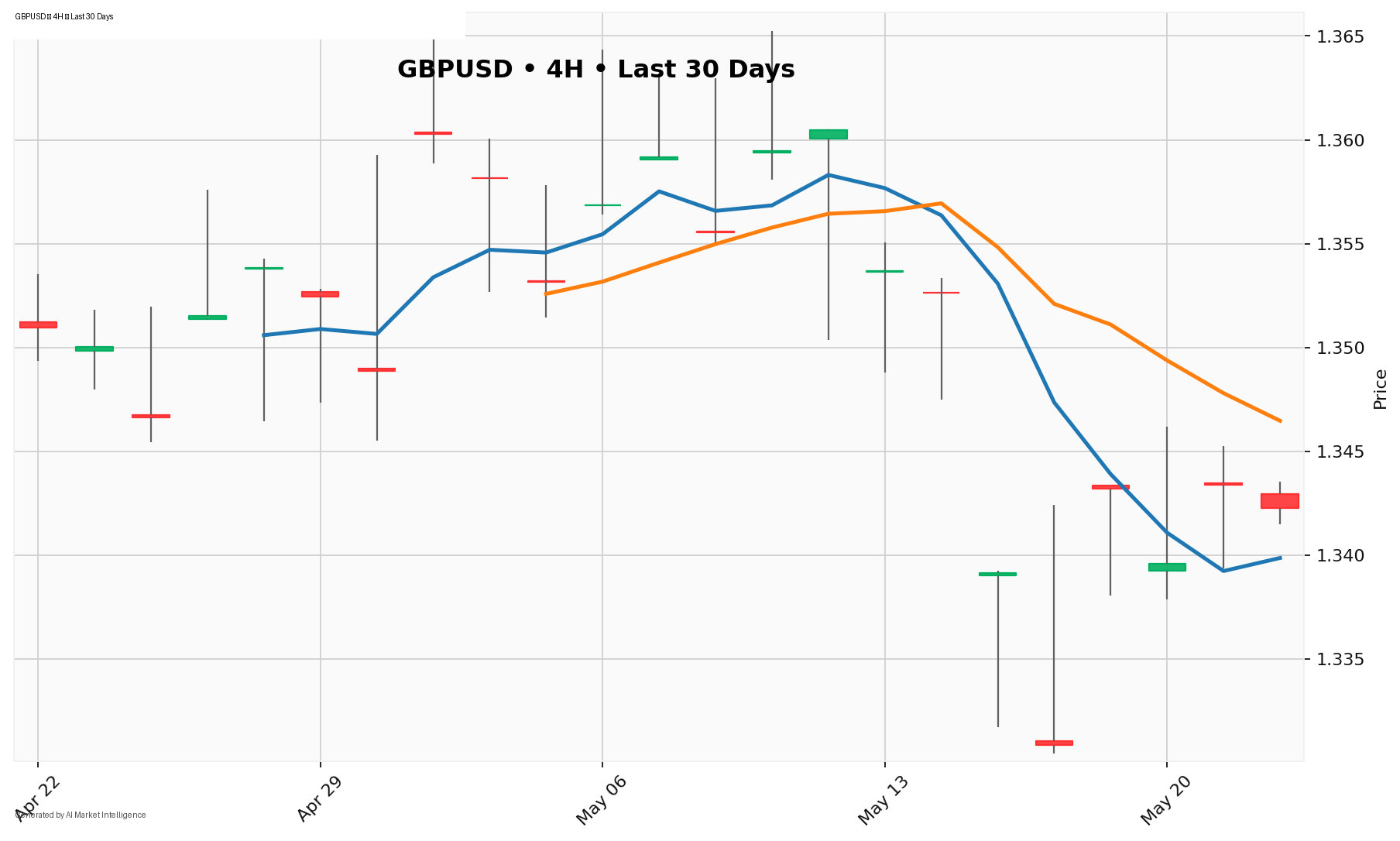
GBP/USD 4-hour momentum structure revealing synchronized directional moves across major pairs during risk-on sentiment shifts.
A managed account manager calls you. They’ve built a portfolio with exposure to 15 different currency pairs. They’re proud of this. Fifteen pairs means fifteen different bets, fifteen different sources of return, fifteen different risk factors.
Except it doesn’t work that way.
Most currency pairs are driven by a handful of macro factors: interest rate differentials, central bank policy, risk sentiment, commodity prices, and geopolitical risk. When you own EUR/USD, GBP/USD, AUD/USD, and NZD/USD, you’re not really diversifying. You’re making the same bet fifteen different ways.
You’re essentially long the US dollar against multiple other currencies. That’s not diversification. That’s concentration with extra steps.
The institutional perspective on this is clearer. A real portfolio manager doesn’t just add more pairs and call it diversification. They think about what actual economic factors they’re exposed to. Are they long growth? Long carry? Long volatility? Long commodity cycles?
A properly diversified forex portfolio should have positions that move in genuinely different directions based on different economic outcomes. That’s harder to construct than it sounds.
Let’s say you own EUR/USD (long euro), AUD/USD (long aussie), and you think you’re diversified. But both benefit from risk-on sentiment and growth expectations. When growth fears hit, both decline. You’ve created what looks like diversification but functions like concentration.
The manager who actually understands forex diversification strategies might own EUR/USD long (benefiting from eurozone stability), JPY crosses short (benefiting from risk-off moves), and commodity currencies in a way that hedges rather than compounds the directional bets. That’s harder. That’s less intuitive. That’s also more likely to survive a market dislocation.
The Asset Allocation Problem Nobody Wants to Discuss
Here’s where things get genuinely uncomfortable: most forex managed accounts are 100% forex.
That’s not diversification. That’s specialization masquerading as diversification.
You can have the most sophisticated correlation analysis, the most carefully constructed multi-currency exposure, the most elegant asset allocation within the forex space—and you’re still entirely dependent on currency markets behaving in ways that allow currency trading to work.
A truly diversified portfolio might allocate 40% to forex, 30% to fixed income, 20% to equities, and 10% to alternatives. Within that 40% forex allocation, you’d then apply the diversification strategies that actually matter.
But that’s not what most managed accounts do. They’re forex-only because that’s their expertise, their marketing angle, their competitive advantage. The manager can’t build equity portfolios or bond portfolios, so they build forex portfolios and call them diversified.
This is where the psychology of the industry becomes visible. Managers specialize in what they can control and understand. Then they convince themselves—and their clients—that specialization is actually diversification.
The reality: a forex-only portfolio is inherently concentrated. You’re betting that currency markets will provide returns. You’re betting that the factors that drive currency movements will cooperate with your positioning. You’re betting that your correlation assumptions will hold.
That’s not diversification. That’s faith.
Correlation Analysis: The Science That Isn’t
Most managed account managers use correlation matrices. They’re usually calculated over the past 2-3 years of data. They show which pairs move together and which move independently.
Then they build portfolios based on these matrices, assuming the correlations will persist.
This is where the scientific veneer cracks.
Correlation is descriptive, not predictive. It tells you what happened. It doesn’t tell you what will happen. A pair that showed low correlation for three years might show perfect correlation during the next crisis.
The institutional traders who’ve survived multiple market cycles approach correlation analysis differently. They don’t assume it’s stable. They stress-test it. They ask: “What if correlations spike to 0.95? What if they go negative? What if they become completely unstable?”
Most retail-oriented managed accounts don’t do this. They run a correlation analysis, get comfortable with the numbers, and build a portfolio. Then they pray the market cooperates.
The statistical reality is that correlation estimates become less reliable during the periods when they matter most—during high-volatility, high-stress market environments. The data you’re using to estimate correlation is from calm periods. The correlation you need to know about is the one that exists during chaos.
This is why experienced traders often say: “I don’t trust my correlation analysis until it’s been tested by a real crisis.”
Currency Pair Selection: Beyond the Obvious
Most diversified forex portfolios include the majors: EUR/USD, GBP/USD, USD/JPY, USD/CHF, AUD/USD, NZD/USD, USD/CAD.
These pairs are liquid. They’re easy to trade. They’re well-understood. They’re also incredibly crowded.
When everyone is diversifying in the same way, diversification becomes concentration. You’re not diversifying against the market. You’re diversifying in lockstep with the market.
The managers who actually generate alpha in forex—and there are a few, though not many—often do it by including pairs that most people ignore. Emerging market currencies. Commodity-linked pairs. Pairs with different economic dynamics.
But here’s the catch: these pairs are less liquid. They’re harder to trade. They have wider spreads. They require more sophisticated risk management. Most managed account managers don’t include them because they’re harder to execute.
So they stick with the majors. They claim diversification. They deliver concentration.
The real diversification in forex comes from understanding that different pairs respond to different economic shocks. EUR/USD responds to eurozone data. AUD/USD responds to commodity prices and Chinese growth. USD/JPY responds to risk sentiment and interest rate differentials. If you understand these relationships, you can build a portfolio that’s actually diversified.
If you just pick eight pairs and assume they’re uncorrelated, you’re not diversifying. You’re gambling that your correlation assumptions hold.
The Hidden Risk: Liquidity Concentration
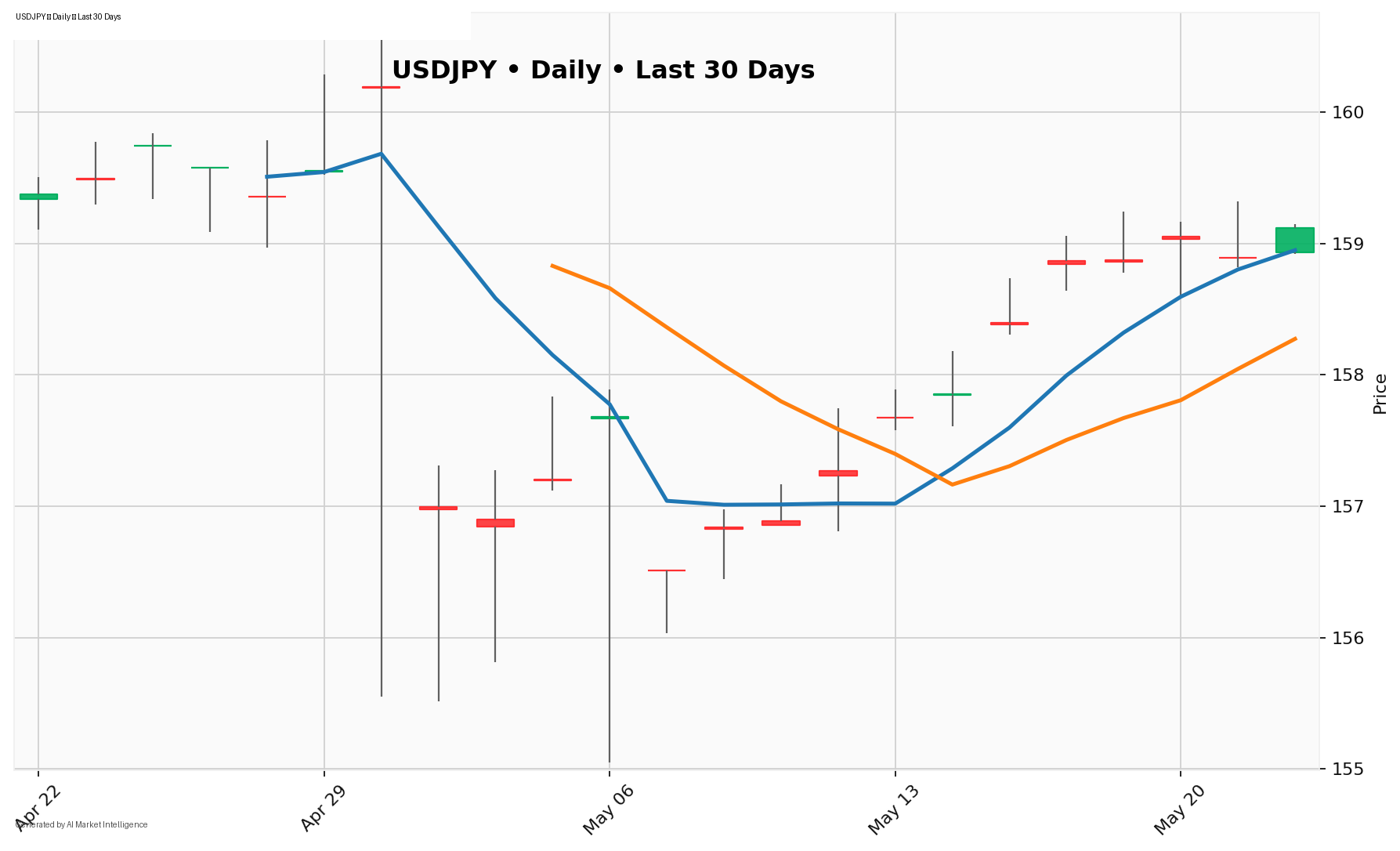
USD/JPY daily chart displaying March 2020 volatility spike and liquidity stress across currency pairs during systematic risk events.
Here’s something that rarely gets discussed in managed account marketing materials: liquidity risk.
A portfolio might be diversified across eight currency pairs, but if a market stress event hits, all eight pairs might experience liquidity problems simultaneously. The bid-ask spreads widen. The slippage increases. Your ability to execute trades at reasonable prices evaporates.
This is particularly true for emerging market currencies or less liquid pairs. During the March 2020 volatility spike, some emerging market currency pairs became nearly untradeable for retail traders. The diversification that looked good on paper became impossible to execute in reality.
Institutional managers think about this. They understand that diversification only works if you can actually execute the trades. A portfolio that’s diversified but illiquid is worse than a portfolio that’s concentrated but liquid.
This is where the size of the managed account matters. A large account might be able to trade emerging market currencies without excessive slippage. A small account might find that the liquidity costs of diversification exceed the benefits.
Most managed account marketing materials don’t discuss this. They present diversification as a pure mathematical exercise. In reality, it’s a practical execution challenge.
Risk Reduction: The Actual Mechanism
Let’s be clear about what diversification actually does and doesn’t do.
Diversification reduces idiosyncratic risk—the risk specific to a particular currency pair or economic factor. If you own only EUR/USD and the euro experiences a political crisis, your portfolio suffers. If you own EUR/USD and AUD/USD, the euro crisis affects only part of your portfolio.
But diversification doesn’t reduce systematic risk—the risk that affects all currency pairs simultaneously. When risk sentiment shifts, when central banks change policy direction, when geopolitical tensions escalate, all currency pairs tend to move together.
Most traders confuse these two types of risk. They think diversification protects them from everything. It doesn’t. It protects them from pair-specific risks. It leaves them exposed to market-wide risks.
This is why a portfolio of eight currency pairs can still lose 40% in three weeks. The systematic risk—the risk that affects all pairs—can overwhelm the diversification benefits.
The managers who understand this build portfolios with explicit hedges against systematic risks. They might own long positions in some pairs and short positions in others, specifically designed to reduce exposure to broad market moves. They might include non-currency assets that move differently during stress periods.
But this requires sophistication. It requires understanding what you’re actually hedging. Most managed accounts don’t do this. They just own multiple pairs and hope.
The Rebalancing Question: When Diversification Becomes Dangerous
Here’s a scenario that plays out regularly: a managed account is diversified across eight pairs. One pair moves significantly in the manager’s favor. The position grows to represent 25% of the portfolio instead of the intended 12.5%.
Now the manager faces a choice: rebalance back to equal weight, or let the winner run.
Most managers rebalance. It’s the prudent thing to do. It’s what diversification theory says to do. It’s also often wrong.
The pair that’s winning might be winning for a reason. The economic factors driving it might be accelerating. The trend might be intact. By rebalancing, you’re selling strength and buying weakness—the exact opposite of what you should be doing.
But if you don’t rebalance, you’re violating your diversification mandate. You’re allowing concentration to build. You’re increasing risk.
This is the hidden tension in diversification: it’s static in a dynamic market. Markets change. Correlations change. Economic factors shift. A diversification strategy that made sense three months ago might be completely wrong today.
The institutional traders understand this. They rebalance based on changing market conditions, not based on a fixed schedule. They adjust their diversification thesis as their understanding of market dynamics evolves.
Most managed accounts rebalance quarterly or annually. They’re using a calendar-based approach to a problem that requires dynamic thinking.
Building a Realistic Diversification Framework
If you’re actually serious about forex diversification strategies—not the theoretical version, but the version that might actually work—here’s what matters:
First, understand what you’re actually diversifying against. Are you trying to reduce exposure to US dollar strength? To interest rate differentials? To risk sentiment? To commodity cycles? Your diversification strategy should be built around the specific risks you’re trying to reduce.
Second, stress-test your correlation assumptions. Don’t just look at historical correlations. Ask yourself: what if correlations spike during a crisis? What if they go negative? What if they become unstable? Build a portfolio that survives these scenarios.
Third, think about liquidity. Diversification only works if you can execute it. A portfolio that’s diversified but illiquid is worse than a portfolio that’s concentrated but liquid.
Fourth, include non-currency assets if possible. True diversification means moving beyond currency pairs. It means building a portfolio that includes bonds, equities, commodities, or other assets that move differently during stress periods.
Fifth, rebalance dynamically based on changing market conditions, not based on a calendar. When your correlation assumptions break down, adjust your portfolio. When market regimes shift, adjust your diversification thesis.
Finally, accept that diversification is imperfect. It reduces some risks. It doesn’t eliminate risk. A diversified portfolio can still lose 30% in a bad month. Diversification is risk management, not risk elimination.
The Bottom Line: Diversification as Humility
The managers who actually succeed in forex—the ones who generate consistent returns without catastrophic drawdowns—tend to share one trait: they’re humble about what diversification can and can’t do.
They don’t believe that owning eight currency pairs makes them safe. They don’t assume that historical correlations will persist. They don’t think that mathematical diversification equals actual risk reduction.
They understand that markets change. That assumptions break down. That the correlations that existed yesterday might be irrelevant tomorrow.
This humility leads to better risk management. It leads to stress-testing. It leads to dynamic adjustment. It leads to portfolios that actually survive market dislocations.
The managed accounts that blow up—the ones that lose 40% in three weeks despite being “diversified”—usually fail because they confused mathematical diversification with actual risk reduction. They believed in their correlation matrices. They trusted their diversification thesis. They didn’t stress-test their assumptions.
Forex diversification strategies work. But they work only if you understand their limitations. They work only if you stress-test them. They work only if you’re willing to adjust them when market conditions change.
Most managed accounts don’t do this. Most managed accounts build a diversification strategy and stick with it, assuming it will work forever.
That’s not diversification. That’s wishful thinking.
The ones that actually work? They’re built by people who’ve lived through enough market cycles to know that diversification is a tool, not a guarantee. A useful tool, but a tool with real limitations.
That’s the insight that separates the survivors from the casualties.